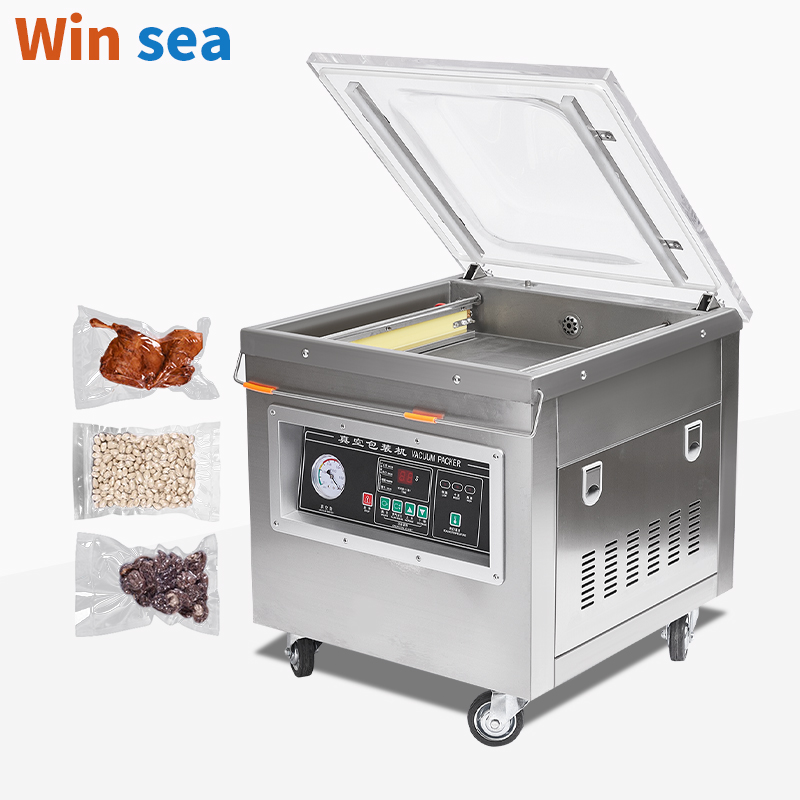
Managing commercial kitchen inventory often feels like a relentless race against the clock. Fresh ingredients degrade rapidly the moment they touch ambient air. Culinary directors and food production managers face constant pressure. They must maintain top-tier quality while strictly controlling operational costs.
Traditional food storage methods limit shelf life drastically. These outdated practices increase expensive shrinkage through premature spoilage. They also expose valuable frozen inventory to damaging, flavor-destroying freezer burn over time.
You need more than just simple storage containers. Surviving today's tight hospitality margins requires smart technology. A vacuum packing machine for food operates as a critical asset for supply chain optimization. Proper implementation transforms basic packaging into a highly tuned preservation system. We will explore how mastering this equipment ensures strict food safety compliance. You will also learn to enable precise portion control and deliver measurable returns on your infrastructure investment.
Key Takeaways
Shelf-Life Extension: By extracting up to 99.8% of oxygen, these machines extend the viability of refrigerated and frozen goods by 3 to 5 times.
Operational ROI: Primary financial returns stem from bulk purchasing capabilities, mitigating the standard 30–40% food waste rate, and space optimization.
Risk Management: Not all foods are safe to vacuum seal raw. Understanding anaerobic bacteria risks and material barriers (EVOH vs. PA/PE) is critical for safe deployment.
Scalability: Machine selection—from external edge sealers to double-chamber or thermoforming systems—must map directly to daily throughput requirements.
Beyond Basic Sealing: Core Mechanisms and Baseline ROI
Understanding the science of oxygen removal transforms how we view food storage. Ambient air contains roughly 21% oxygen. This element fuels the rapid reproduction of aerobic bacteria and mold. It also drives rapid oxidation. Removing ambient air halts these destructive processes immediately. It effectively prevents lipid rancidity in high-fat foods. This preserves both flavor profiles and nutritional integrity.
The operational benefits scale quickly when you apply this science. You can establish verifiable shelf-life multipliers across your entire inventory. Consider these baseline benchmarks for properly sealed foods:
Cold Storage: Removing oxygen extends standard 1–3 day limits for fresh meats and produce to 1–2 weeks.
Frozen Storage: Sealing protects cellular structures from dehydrating freezer burn. It extends a typical 6-month freezer limit to 2–3 years.
Dry Goods: Items like flour, rice, and beans resist pantry pests and moisture. Their viability stretches from months to several years.
This mechanical process connects directly to tangible business outcomes. The primary financial impact comes from reducing ingredient spoilage write-offs. Furthermore, it enables high-volume, pallet-level purchasing. You can secure discounted bulk rates. Your team can then break down and safely store the inventory over extended periods.
Evaluating the 5 Types of Vacuum Packing Machines for Food
Matching equipment architecture to your business size prevents costly bottlenecks. Selecting the right vacuum packing machine directly influences your daily throughput. Below is a detailed breakdown of the five primary configurations.
External/Suction Vacuum Sealers
These units represent the entry-level tier. They feature a compact footprint suitable for tight countertops. The machine clamps the edge of the bag and sucks the air out. They work best for low-volume operations handling dry goods. However, they carry a major limitation. Liquid handling risks drawing moisture directly into the dry piston pump. This will permanently damage the motor.
Chamber Vacuum Machines
Chamber models represent the commercial standard. You place the entire bag inside a closed lid. The machine equalizes atmospheric pressure inside and outside the pouch. It extracts air from the entire chamber at once. They fit perfectly in medium-volume kitchens. You can package soups, sauces, and marinades effortlessly. Liquids will not boil over or get sucked into the pump.
Double-Chamber Vacuum Machines
These machines feature dual work-zones. This allows parallel loading and sealing. An operator loads bags into one chamber while the other chamber actively seals. They serve mid-to-large meat and dairy processing facilities. They easily support continuous, heavy-duty throughput demands.
Automatic Belt Vacuum Machines
These industrial units utilize conveyor-driven unloading. They often feature adjustable tilt angles for the work table. The tilt prevents spillage during the packaging of heavy, liquid-rich items. They fit industrial meat packaging operations perfectly. High-volume commissaries rely heavily on them for daily output.
Thermoforming (HFFS) Machines
Thermoforming systems utilize form-fill-seal automation. They pull from massive film rolls to create custom pockets. The machine fills the pocket, vacuums the air, and seals it continuously. They belong in mass-scale food manufacturing plants. These plants prioritize ultimate unit cost efficiency over equipment footprint.
Machine Selection Chart
Use this summary chart to align your operational needs with the correct equipment profile.
Machine Type | Primary Profile | Best Suited For | Core Limitation |
|---|
External Sealer | Entry-level, compact edge-sealing | Low-volume cafes, dry ingredients | Cannot handle liquids easily |
Chamber Machine | Commercial standard, equalized pressure | Medium-volume kitchens, wet goods | Restricted by chamber dimensions |
Double-Chamber | Dual work-zones for parallel processing | Meat/dairy processors, continuous use | Requires significant floor space |
Automatic Belt | Conveyor-driven, adjustable tilt | Industrial meat packing, heavy liquids | High upfront capital investment |
Thermoforming | Form-fill-seal automation via film rolls | Mass-scale food manufacturing | Complex setup, requires dedicated engineers |
High-ROI Commercial Applications and Workflows
Maximizing your investment requires integrating the machine into daily prep routines. Smart workflows save immense amounts of labor during peak service hours.
Sous-Vide Enablement
Vacuum sealing serves as the mandatory prerequisite for sous-vide cooking. This low-temperature method requires ingredients sealed in an airtight environment. The water bath transfers heat efficiently through the tight plastic barrier. This technique ensures perfectly cooked proteins. It vastly improves labor efficiency by allowing unattended cooking cycles.
Liquid and Marinade Handling
Sealing wet goods accelerates flavor absorption. The reduced pressure opens the cellular pores of meats. Marinades penetrate deeply in a fraction of the usual time. If you use an external sealer, you must flash-freeze liquids first. You freeze the soup or stock into solid blocks before sealing. Chamber models bypass this step completely. You can seal liquid-filled bags directly without freezing.
Portion Standardization
Consistency drives profitability in food service. You can pre-weigh and seal individual portions during quiet prep shifts. Staff can prep family-sized meal kits efficiently. This workflow streamlines high-volume service hours. Line cooks simply grab a pre-portioned bag. It drastically reduces plating discrepancies and ingredient waste.
Fragile Goods Protection
Delicate items like baked goods, berries, or chips crush easily under intense vacuum pressure. Many commercial machines offer a Gas Flush feature. This Modified Atmosphere Packaging (MAP) technique extracts the oxygen first. It then pumps an inert gas like nitrogen into the bag. This creates a protective gas cushion. It preserves the item's delicate structure while maximizing shelf life.
Safety Risks, Limitations, and Pre-Treatment Rules
Deploying this technology safely requires deep hazard awareness. An oxygen-free environment solves many spoilage issues. However, it creates specific new risks if managed improperly.
The Anaerobic Bacteria Threat
You must understand the dangers of anaerobic bacteria. Pathogens like Clostridium botulinum thrive in low-oxygen environments. They produce deadly botulism toxins. You should never vacuum seal certain raw foods directly. High-risk items include raw garlic, fresh mushrooms, and soft unpasteurized cheeses. These foods harbor spores. When sealed at room temperature, the spores germinate rapidly. Always store sealed low-acid foods in strictly maintained cold environments.
Cruciferous Vegetable Protocol
Cruciferous vegetables require specific pre-treatment. Broccoli, cabbage, cauliflower, and Brussels sprouts naturally emit gases as they ripen. If you seal them raw, this enzymatic off-gassing continues. The bag will inflate and eventually break the vacuum seal. You must blanch these vegetables first. Boil them briefly, then plunge them into an ice-shock bath. This halts the enzymatic process entirely. You can then seal and freeze them safely.
Temperature Considerations
You must properly chill hot foods before placing them in a chamber machine. As the machine lowers the atmospheric pressure, the boiling point of liquids drops significantly. Warm soups or hot sauces will suddenly boil over inside the chamber. This creates massive messes. It can also damage the machine's internal vacuum pump. Always chill wet ingredients to below 40°F (4°C) before processing.
Hidden Implementation Costs: Consumables and Maintenance Realities
Buyers often overlook the long-term carrying costs of their equipment. Understanding bag materials and maintenance needs ensures your system remains cost-effective.
Navigating Bag Materials and Barrier Properties
Not all plastic pouches perform equally. The material dictates the Oxygen Transmission Rate (OTR). You must choose the right barrier property for your specific application.
Material Type | Barrier Level | Primary Use Case | Cost Profile |
|---|
Standard PA/PE | Moderate Barrier | Short-term storage, daily prep, freezing | Highly economical |
PVDC Films | High Barrier | Long-term commercial retail display | Moderate premium |
EVOH Films | Ultra-Low OTR | Maximum shelf life, export packaging | Highest cost |
You must also clarify hardware compatibility. External sealers require specialized ribbed or embossed bags. The textured channels allow the machine to pull air out while clamping down. Chamber sealers operate differently. They use highly cost-effective smooth bags. Over time, the cheaper smooth bags offset the higher initial price of a chamber unit.
Preventative Maintenance Data
Consistent maintenance drastically extends equipment lifespan. Neglecting simple upkeep leads to premature motor failure. Industry data highlights several critical truths about preventative care:
Routine Oil Changes: Commercial pumps require clean oil to generate deep suction. Changing the oil regularly drops failure rates by roughly 30%.
Teflon Tape Replacement: The heating bar relies on Teflon tape to prevent melting plastics from sticking. Replace burnt tape immediately to ensure clean, tight seals.
Gasket Inspections: The lid gasket maintains the chamber's airtight integrity. Regular inspection and replacement can improve vacuum efficiency by up to 15%.
Conclusion: How to Shortlist Your Next System
Selecting the right equipment requires a thorough internal audit. A mismatched machine frustrates staff and damages productivity. Approach your procurement process logically.
First, audit your daily operational needs. Calculate your peak daily packaging volume. Consider the typical bag dimensions required for your largest cuts of meat. Assess your liquid-handling frequency honestly. If you process soups or marinades daily, an external sealer will inevitably fail you.
We recommend taking actionable next steps to ensure a confident purchase:
Document the specific menu items you plan to prep and store.
Request a live throughput demonstration from an equipment distributor.
Evaluate the layout of your prep area to ensure adequate footprint space.
Standardize a staff training protocol regarding hot liquids and high-risk foods.
FAQ
Q: Can I use ordinary plastic grocery bags in a vacuum packing machine?
A: No. Standard plastics lack the thermal properties to seal correctly. They will simply melt onto the heating bar. Furthermore, grocery bags lack the barrier properties required to hold a vacuum. Their high oxygen transmission rates allow air to seep back in immediately. You must use specialized pouches designed specifically for vacuum processing.
Q: Does vacuum sealing alter the texture or nutritional value of food?
A: No. Unlike traditional canning or extended freezing, vacuum packing preserves the food's structural integrity. Traditional freezing degrades cellular walls through ice crystal formation. Vacuum sealing locks in ambient moisture. It prevents freezer burn without causing nutrient degradation or altering the natural texture.
Q: Are vacuum packing machines used for non-food applications?
A: Yes. They are heavily utilized across multiple industries. The medical sector uses them to ensure tool sterility. The electronics industry uses them to prevent moisture and rust on sensitive components. The financial sector employs them to provide tamper-evident security for sensitive documents and bulk currency shipments.