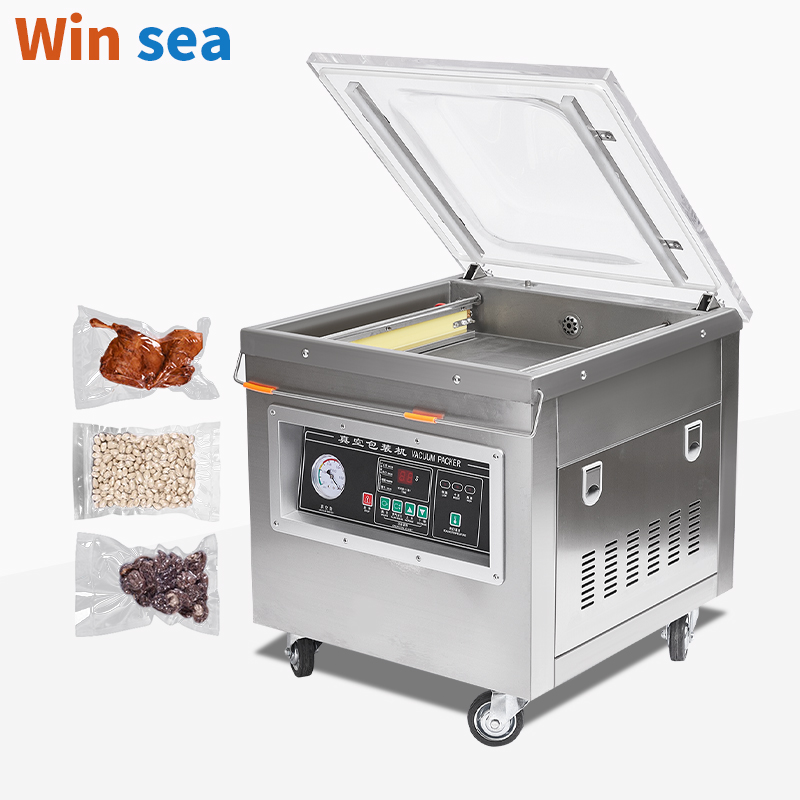
Yes. A vacuum packing machine is the industry standard for commercial food preservation. It safely extends product shelf life by three to five times compared to traditional storage. The operational benefits are clearly proven across the culinary sector. However, adopting vacuum technology requires careful operational planning. You must navigate distinct equipment limitations. You also need to enforce stringent food safety protocols.
This comprehensive guide breaks down the fundamental business case for vacuum sealing. We explore critical safety thresholds. We also detail key technical evaluation criteria. You will understand the differences between basic suction models and advanced chamber units. Food businesses can use this actionable insight to make an informed purchasing decision. We will show you how to match equipment specifications to your daily kitchen workflows. Mastering these core principles ensures maximum freshness. It also guarantees regulatory compliance and protects your end consumers from foodborne risks.
Key Takeaways
Operational Efficiency: Vacuum packaging eliminates freezer burn and reduces food waste, yielding a measurable return on investment for bulk purchasing and prep-ahead workflows.
Equipment Distinction: For high-volume or liquid-rich applications, a Chamber Vacuum Packing Machine is required over standard external suction sealers.
Mandatory Cold Chain: Vacuum sealing creates an anaerobic environment. It is not a substitute for thermal processing (canning) and must be paired with strict temperature controls (<40°F) to prevent pathogen growth.
Consumables Matter: Shelf life extension is entirely dependent on the Oxygen Transmission Rate (OTR) of the bags used, ranging from standard 3-mil PA/PE to high-barrier EVOH films.
The Business Case: Why Commercial Kitchens Rely on Vacuum Packaging
Many commercial kitchens view vacuum sealing merely as a freshness tool. This limited mindset misses the larger financial picture. Strategic vacuum packaging directly improves operating margins. It drastically reduces daily food waste. It also gives management better inventory control. This operational framing shifts vacuum sealing from a luxury to an absolute necessity.
Quantifiable Shelf Life Extension
Removing ambient oxygen dramatically slows the biological degradation process. Different ingredient categories see unique preservation timelines. You can safely purchase bulk ingredients when leveraging this technology.
Chart: Expected Shelf Life Extension (Traditional vs. Vacuum Sealed)| Food Category | Storage Environment | Traditional Storage | Vacuum Sealed Storage | Extension Factor |
|---|
| Fresh Meats (Beef/Pork) | Refrigerated (<40°F) | 3 to 4 Days | 9 to 12 Days | ~3x Longer |
| Fresh Poultry | Refrigerated (<40°F) | 1 to 2 Days | 4 to 6 Days | ~3x Longer |
| Hard Cheeses | Refrigerated (<40°F) | 1 to 2 Weeks | 4 to 8 Months | Massive Extension |
| Fresh Vegetables | Refrigerated (<40°F) | 3 to 7 Days | 10 to 21 Days | 2–5x Longer |
Elimination of Freezer Burn
Freezer burn ruins expensive protein stocks. Exposure to cold, dry air draws moisture out of the food. This physical reaction creates damaging ice crystals. These ice pockets rupture cellular walls and degrade nutritional value. Removing oxygen physically eliminates these dangerous air pockets. Vacuum sealing locks the natural moisture inside the cellular structure. Your steaks and fillets retain their original texture and weight after thawing.
Space and Inventory Optimization
Air-filled freezer bags waste valuable freezer real estate. They are bulky and difficult to organize. Vacuum-sealed packages reduce your overall spatial footprint. The compressed bags stack perfectly flat. This format optimizes freezer storage capacity efficiently. It also simplifies FIFO (First-In, First-Out) inventory management. Kitchen staff can quickly identify and rotate perfectly clear, flattened ingredient blocks.
Assessing the Risks: Food Safety and the Anaerobic Danger
Adopting advanced food preservation requires strict adherence to safety standards. Operators must understand the underlying biological environment they create. Vacuum sealing demands proper education and consistent kitchen hygiene.
The Safety Paradox
Removing oxygen halts the growth of aerobic spoilage bacteria. These are the microbes causing bad odors and surface slime. They naturally warn us when food goes bad. This creates a dangerous safety paradox. You eliminate the warning signs. Furthermore, removing oxygen creates an ideal breeding ground for dangerous anaerobic bacteria. Clostridium botulinum is the most notorious anaerobic threat. It thrives in oxygen-free, moist, and low-acid environments.
The 40°F Temperature Rule
Vacuum-packed perishable foods are absolutely not shelf-stable. They require aggressive temperature management. You must strictly keep them in refrigeration below 40°F. Alternatively, you must keep them frozen solidly. This mandatory cold chain keeps dangerous pathogens entirely dormant. You should never leave fresh vacuum-packed foods at room temperature for more than two hours. Kitchen timers and temperature logs are non-negotiable tools here.
Safe Thawing Protocols
Thawing frozen, vacuum-packed meats introduces a high-risk transition window. You must follow safe thawing protocols. The vacuum seal must be broken or removed completely before placing the item in the refrigerator. Opening the bag reintroduces ambient oxygen. This sudden oxygen exposure prevents anaerobic bacteria from activating. The bacteria stay suppressed as the product temperature slowly rises in the fridge.
SOPs for Packaging
Kitchens must highlight the necessity of cross-contamination prevention. Documented Standard Operating Procedures (SOPs) protect your staff and customers. Consider these critical best practices and common mistakes:
Best Practice: Always use clean, sanitized tongs to load bags. Keep human hands away from raw proteins during packaging.
Best Practice: Keep seal areas completely pristine. Wipe the inside rim of the bag before closing the machine lid.
Common Mistake: Overfilling the bag. You must leave at least two inches of headspace to ensure a flawless thermal seal.
Common Mistake: Sealing warm ingredients. Warm items create condensation, which weakens the seal and invites bacterial growth.
External vs. Chamber Vacuum Packing Machine: Which Fits Your Operations?
Matching equipment architecture to your specific production volume is paramount. You must also evaluate your primary ingredient types. A fundamental misunderstanding of machinery types often leads to operational bottlenecks.
External (Suction) Vacuum Sealers
External suction sealers rest entirely outside the bag. The machine clamps down on the open edge. It then physically sucks the air out. They are generally best for low-volume applications. They handle dry ingredients efficiently. They also fit extremely tight operational budgets.
However, you must recognize their strict limitations. They use a standard dry piston pump. Pumping liquid or high-moisture foods will draw moisture straight into the pump housing. This liquid intake leads to premature equipment failure. Furthermore, suction models cannot achieve an absolute vacuum. They typically max out around an 80% vacuum pull.
Chamber Vacuum Packing Machine
High-volume operations require entirely different architecture. A Chamber Vacuum Packing Machine is mandatory for commercial gastronomy. Busy butcheries and high-volume prep kitchens depend on them exclusively.
The operational mechanism is fundamentally unique. The operator places the entire bag inside a closed chamber. The system then evacuates air from the chamber and the bag simultaneously. Pressure remains perfectly equalized inside and outside the bag. Therefore, liquids are never squeezed out during extraction. You can easily process thick soups, rich marinades, and hearty stews.
A true commercial Vacuum Packing Machine achieves up to a 99.8% vacuum pull. They utilize heavy-duty oil rotary pumps. Manufacturers design these specialized pumps for continuous, demanding operation. Standard rotary models are typically rated for 5 to 8 hours of daily use. Heavily modified industrial models can operate for up to 20 hours daily.
Advanced Machine Capabilities to Look For
Basic vacuuming and sealing represents just the foundation. Specific machine features solve niche commercial food processing problems. You must map these advanced features directly to your desired culinary outcomes.
Liquid Control Technology: Physics change inside a deep vacuum. The boiling point of liquids drops dramatically. Even cold water will boil vigorously under high vacuum pressure. Liquid control sensors detect this rapid phase change instantly. The system immediately stops pulling air and seals the bag. This prevents moisture loss. It also protects the machine's pump from corrosive steam.
Soft Air Functionality: Standard machines release the vacuum seal abruptly. Soft air technology slowly re-introduces air into the chamber after sealing. This slow release is essential for bone-in meats. It protects delicate crustaceans and sharp dry goods. It ultimately prevents the tight bag from puncturing against sharp edges.
Programmable Controls (ACS): Advanced Control Systems offer memory banks. They allow kitchens to save precise vacuum and sealing times for specific recipes. This feature is vital for consistent Sous-vide preparations. Any line cook can achieve identical compression results using a single button.
Vacuum Skin Packaging (VSP): This represents an advanced retail alternative. A highly specialized transparent film forms a 3D skin directly over the product and its tray. It eliminates ambient air completely. VSP is ideal for premium retail displays. It showcases high-end steaks and fresh salmon fillets with flawless visual appeal.
Material Matters: Selecting the Right Vacuum Bags
The machine only removes the air. The bag ultimately determines how long oxygen stays out. Selecting the appropriate barrier film protects your inventory. You must understand material specifications to maximize shelf life.
Bag Specifications and Types
Commercial bags vary significantly in thickness and texture. Thickness dictates physical durability. A 3-mil bag represents the commercial standard for most general uses. Higher thicknesses, ranging from 4-mil to 5-mil, offer severe puncture resistance. You should use them exclusively for sharp items or bone-in chops.
Texture plays an operational role depending on your equipment. Channeled or embossed bags are strictly required for external sealers. The micro-channels allow air to escape the clamping zone. Conversely, chamber machines use entirely smooth, flat bags. Smooth bags cost significantly less in bulk quantities.
Understanding OTR (Oxygen Transmission Rate)
Not all plastics block oxygen equally. Oxygen Transmission Rate (OTR) measures how much oxygen permeates the plastic over 24 hours. You must match the OTR to your storage goals.
Table: Vacuum Bag Material Comparison (OTR)| Bag Material | Approximate OTR (cc/m² daily) | Primary Application | Shelf Life Expectancy |
|---|
| Standard PA/PE | ~100 cc/m² | General prep, short-term storage, Sous-vide processing. | Short to Medium Term |
| PVDC Coated Films | ~10 cc/m² | Extended refrigeration storage, retail display packaging. | Medium to Long Term |
| High-Barrier EVOH | ~1 cc/m² | Maximum shelf life, export products, strict oxidation prevention. | Maximum Long Term |
Standard PA/PE bags have a relatively high OTR. They are perfectly suitable for short-to-medium term storage and daily prep. High-barrier EVOH or PVDC bags are explicitly required for maximum shelf life. Their near-zero transmission rate prevents oxidation over exceedingly long storage periods.
Conclusion
A robust commercial vacuum packing setup is highly viable. It remains a profitable strategy for food preservation, provided you deploy the correct technology. You will secure your food inventory against premature spoilage and freezer damage.
Consider these immediate next steps for buyers:
Assess your daily packaging volume and routine liquid content carefully.
If you process soups, marinades, or bulk wet ingredients, baseline your budget exclusively around a chamber vacuum packing unit.
Match your bag materials (PA/PE vs. EVOH) precisely to your expected storage duration.
Implement strict, documented safety SOPs for temperature control.
Enforce rigid bag thawing protocols to ensure strict regulatory compliance and ultimate consumer safety.
FAQ
Q: Can a vacuum packing machine process hot food?
A: No. Hot foods must be chilled before vacuum packaging. In a deep vacuum, hot liquids will boil rapidly. This extreme reaction compromises the seal completely. It alters the food's delicate texture. It can also draw dangerous steam into the system, potentially damaging the pump.
Q: Does vacuum sealing replace the need for freezing?
A: No. Vacuum sealing only alters the atmospheric environment surrounding the food. It does not kill existing bacteria. Perishable items must still be frozen or strictly refrigerated below 40°F. You must maintain this cold chain continuously to ensure ongoing food safety.
Q: Can I use standard freezer bags in a commercial vacuum sealer?
A: No. Standard zipper bags or household freezer bags lack the necessary oxygen barrier properties. They also lack structural integrity. They cannot withstand a 99% vacuum pull without rupturing or leaking. Specialized PA/PE or EVOH vacuum bags are explicitly required for commercial machinery.